
Public conservation land maps show risk of sale
Today 11:30am
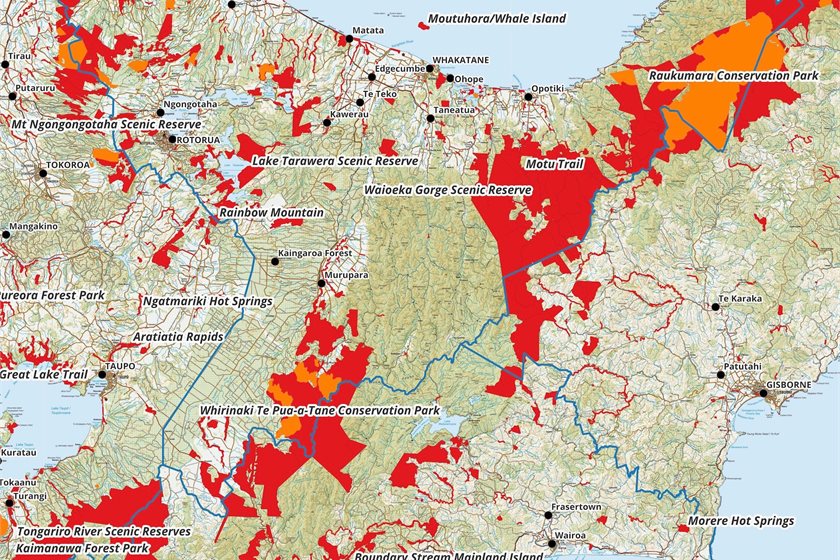
Media release | Forest & Bird has today released new maps highlighting public conservation land across Aotearoa New Zealand that could be more exposed to development or sale.
The Government’s Conservation Amendment Bill proposes a new economic development function for the Department of Conservation which would impact all conservation land. The Bill would also make it much easier to sell off conservation land, with up to 60% of public conservation land potentially available for exchange or disposal.
“These maps show the scale of what’s at stake,” says Richard Capie, Forest & Bird’s Group Manager for Conservation Advocacy and Policy.
“We wanted to be very clear, because it seems almost unbelievable. Your local reserve, your favourite holiday spot, beaches, forests, and iconic landscapes – they could be at risk of being sold.”
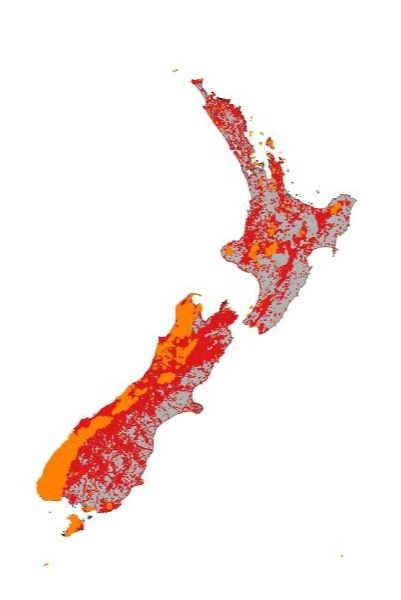 Forest & Bird’s maps show conservation land at risk of economic development in orange and areas at risk of both economic development and exchange or disposal in red.
Under current legislation it is only possible to sell some categories of conservation land if it has no, or very low, conservation value. The Bill would widen that and make the test much weaker, essentially only requiring Ministers keep land that is important to threatened species or ecosystems, or if the habitat is one of the best examples of its type in that ecological region. Foreshore, and some land subject to Treaty claims and settlements, would also still be protected from sale.
A few of the numerous areas at risk of sale or exchange could include parts of the following areas, if they are not considered to be “important for the conservation of threatened species or threatened ecosystems, or both” or if they are not considered to be “the best, or one of the best” examples of ecosystem-type in an ecological district:
- Upper North Island: Aotea Conservation Park on Great Barrier Island, Coromandel Forest Park, Cathedral Cove Recreation Reserve.
- Lower North Island: Kaimai Mamaku Conservation Park, Kaimanawa Forest Park, Manawatu Gorge Scenic Reserve, Tararua Forest Park.
- Upper South Island: Mt Richmond Forest Park, Ka Whata Tu o Rakihouia Conservation Park – Seaward Kaikōura ranges, Takaka Hill Scenic Reserve.
- Lower South Island: Victoria Forest Park, Lake Kaniere Scenic Reserve, Conservation Area Wanganui / Otira Catchments, Remarkables Conservation Area, Catlins Conservation Park.
“Allowing even parts of these places to be sold or exchanged is a major shift," says Mr Capie. "The Bill isn’t just about modernisation, it’s also opening the door to privatisation.
“New Zealanders take pride in protecting public conservation land, these are the mountains, wild rivers, and forests we value and explore.
“In a climate and biodiversity crisis, with our special habitats and unique wildlife under pressure, we should be strengthening protections and ensuring conservation land is safeguarded for future generations.”
print this story
Coromandel protections could be stripped away for mining through hidden law change
Wed 17 Jun 2026
Media release| Forest & Bird is warning that a hidden provision in the Government’s Conservation Amendment Bill could strip away long-standing protections and open up parts of the Coromandel Peninsula to mining.
ANZ confronted with petition and video screening after report exposes fossil fuel ties
Mon 15 Jun 2026
Media release: 350 Aotearoa | A petition signed by over 3000 New Zealanders was handed over to ANZ, calling on the bank to cut banking services to coal expansion companies. The petition comes as the annual ‘Banking on Climate Chaos’ report has confirmed that ANZ continues to back fossil fuel expansion.
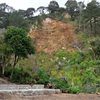
Communities need to prepare for increased landslide risk
Fri 12 Jun 2026
Media release: Te Whare Wānanga o Waitaha University of Canterbury | New UC-led research shows where future Cyclone Gabrielle-like storms could cause more landslides and how communities can reduce the risk.
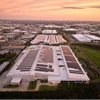
NZ’s largest rooftop solar switched on at Fisher & Paykel Healthcare
11 Jun 2026
Media release | Sunergise, New Zealand’s leading commercial solar company, has switched on the country’s largest-ever rooftop solar installation at Fisher & Paykel Healthcare’s East Tāmaki campus in Auckland.
Antarctic surface melt set to increase dramatically this century, new study finds
10 Jun 2026
Media release – Victoria University | New research shows surface melting across Antarctica is set to intensify and spread dramatically over the 21st century, with melt increasing by 10 times and the area affected growing by more than 10 percent by 2100 if global temperatures continue to rise.

The environment needs fixes now, says new director
5 Jun 2026
Media release: Auckland University | Innovative solutions to environmental problems are urgently needed, because our wellbeing depends on it, says Professor Dan Tompkins, the new director of the Centre for Climate, Biodiversity and Society, Ngā Ara Whetū, at the University of Auckland.

Entries open for 2026 Sustainable Business Awards
2 Jun 2026
Media release - Sustainable Business Network | Entries are now open for the 2026 Sustainable Business Awards, New Zealand’s pre-eminent sustainability awards. Now in their 24th year, the Awards celebrate outstanding innovation and leadership in sustainability.

Science losing the long game
29 May 2026
Media release: New Zealand Association of Scientists | Budget 2026 pushes the science system into a quiet purgatory, with zero announcements from the Minister’s office since 1 April.
New Plymouth residents say “no to LNG”
29 May 2026
Media release: Climate Justice Taranaki | At a public meeting in New Plymouth this Tuesday attended by about 100 local residents, the vast majority signed an ‘Urgent Plea’ to stop the proposed Liquefied Natural Gas import facility, addressed to Prime Minister Christopher Luxon, Energy Minister Simeon Brown, and Cabinet Ministers.
