
Fifty years of observations, no reversal of glacier climate damage
31 Mar 2026
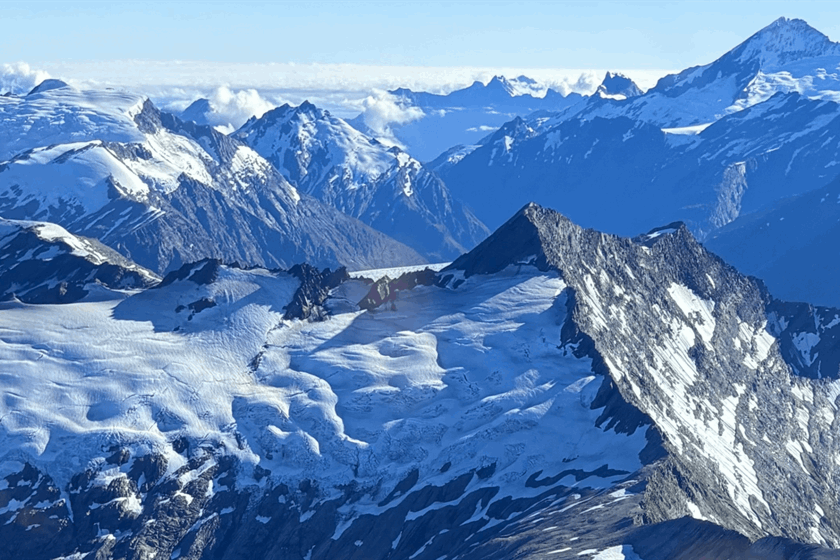
Media release: Earth Sciences New Zealand | Fifty years on from the first aerial survey of our Southern Alps glaciers, late snow and variable summer weather delivered a temporary reprieve from rapid ice loss, says Earth Sciences New Zealand.
Researchers carrying out this year’s end-of-summer snowline and glacier survey saw retained snow on some glaciers, but no reversal in the overall trend of ice loss.
"This year’s survey showed some glaciers with snow and ice footprints that weren’t quite as small as what we’ve seen in the past two years. But it’s only a stay of execution and not a reversal in the long-term decline of ice coverage here," says Earth Sciences NZ Principal Climate Scientist, Dr Andrew Lorrey.
The annual survey began 1977 and is undertaken each March after the end of summer. Earth Sciences NZ researchers team up with scientists from Victoria University of Wellington and the Department of Conservation to take thousands of photos from a light aircraft.
These aerial photos reveal changes in the terminus and snowline position for each glacier compared with previous years. Some of the photos are used to build 3D models that track ice volume changes. Together the results reveal how much of the previous winter’s snow remains to contribute to long-term glacial ice retention.
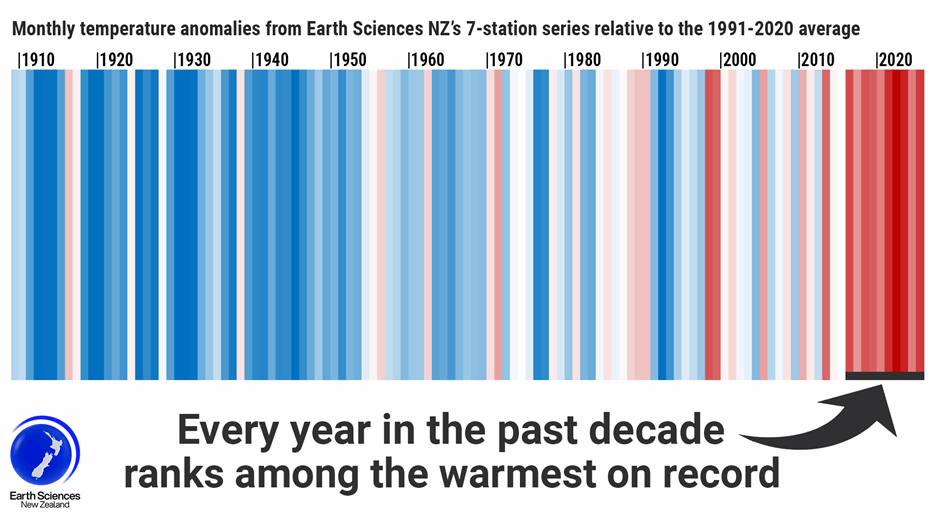
In Aotearoa, 2025 was the fourth warmest year on record. While this ranked lower than some recent years, every year in the past decade was among the warmest. Globally, the World Meteorological Organization said that 2025 was 1.43 °C above the pre-industrial baseline. A warmer planet means less ice - and our glaciers are one of the more visible signs of a warming climate.
"Glaciers are an important part of New Zealand’s environment, economy and identity - they underpin tourism, deliver meltwater carrying nutrients into rivers and lakes, and feed the hydroelectric lakes that power much of our renewable electricity," says Dr Lorrey.
"Years like this are few and far between, and when they happen it isn’t enough to reverse the damage that’s been done in the years prior. To limit the continued trend of glacier decline, climate warming needs to be halted quickly."
print this story
Tarakihi on verge of extinction: Stock collapse exposes major fisheries management failings
Fri 3 Jul 2026
Media release: Environmental Defence Society | Fisheries NZ is consulting on new sustainability measures for the country’s two tarakihi stocks.
New report sounds alarm on risks of unregulated radioactivity from deep-sea mining
Fri 3 Jul 2026
Media release | A groundbreaking scientific report released today by the Deep Sea Mining Campaign exposes a critical, unaddressed threat to global ocean health: the mobilisation of naturally occurring radioactive materials by proposed deep sea mining operations.
Next Govt must restart action on plastic pollution
Wed 1 Jul 2026
Media release - Zero Waste Aotearoa | Plastic Free July begins with an urgent call to put plastic pollution back on the political agenda. Plastic Free July is a worldwide campaign to reduce plastic waste and eliminate single use plastics.
Fed Farmers back National’s plan to slash solar red tape
Tue 30 Jun 2026
Media release | Federated Farmers says the National Party's commitment to make small-scale solar projects a permitted activity is exactly the commonsense farmers need.

What whale poo reveals about survival in warming seas
Tue 30 Jun 2026
Media release: University of Auckland | During his morning runs, Rod Keogh had no doubt that the whale poo he saw washed up on the beach had value. Science has finally caught up with him.

The Reality of Everything: A sold-out symposium at VUW
25 Jun 2026
Media release: Victoria University of Wellington | What do rising grocery bills, soaring insurance premiums, food producers under pressure, and growing international instability have in common? According to organisers of The Reality of Everything Symposium in Wellington, they are all part of a much bigger story – one that New Zealanders urgently want to understand.

New map highlights mining threat associated with controversial conservation reforms: Greenpeace
24 Jun 2026
Media release | Greenpeace has launched an interactive online map exposing the overlap between known deposits of minerals the Government has deemed "critical" and the public conservation land that would be easier to sell off and exploit under the Government's Conservation Amendment Bill.

Sustainability profession ‘comes of age’ – but pressure remains beneath the surface
24 Jun 2026
Media release: Sustainable Business Council | New research shows the sustainability profession in Aotearoa New Zealand has firmly established itself at the centre of business strategy – but ongoing pressures around capability, career pathways and pay are threatening to stall its progress.

Calder Stewart to invest $110m for solar across industrial portfolio
23 Jun 2026
Media release | NZ’s largest industrial landowner is preparing one of the country’s most significant industrial rooftop solar rollouts, with Calder Stewart set to invest more than $110 million in solar panels and battery storage across its property portfolio.

High Court hearing highlights the 'shrinking pool' for fisheries research and science
22 Jun 2026
Media release: Environmental Law Initiative | At the close of a four-day High Court hearing challenging the government’s under-levying of the fishing industry, the Environmental Law Initiative (ELI) says more science, research and observer coverage is needed to protect marine wildlife and ecosystems from the impacts of fishing.
