
IRD offers tax tips for destroying precious wetlands
12 Jun 2025
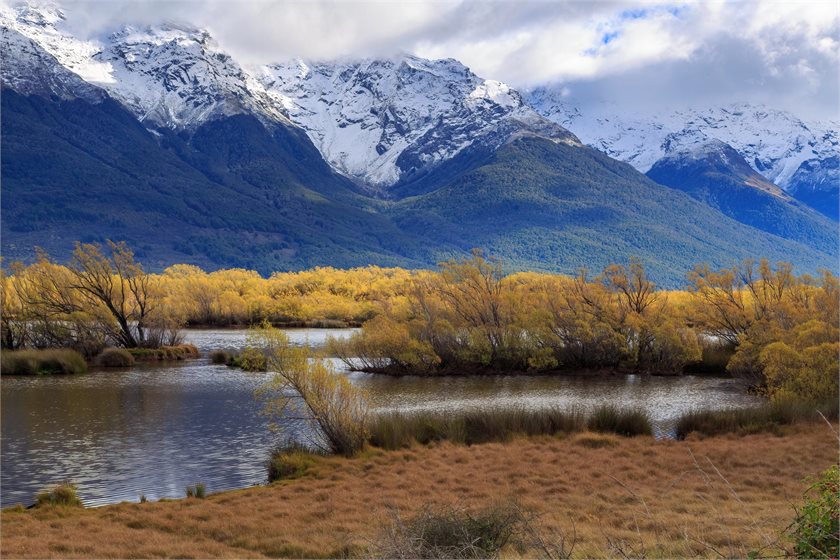
Media release | Forest & Bird is asking Inland Revenue Te Tari Taake whether the fines for illegally draining a wetland are also tax deductible, after the department published a "how-to" on claiming expenses for destroying critical habitats.
An official IRD tax guide, released this month, uses the example of a farmer draining a wetland to convert it to grazing land to illustrate a tax-deductible agricultural expense.
“We had to read this twice to believe it,” says Forest & Bird’s Regional Conservation Manager, Scott Burnett.
“On one hand, the Government has policies to protect and restore our critically endangered wetlands. On the other, the tax department is using the destruction of those same wetlands as a helpful hint for a tax write-off."
The example (Example 8, page 12) in IRD’s Commentary on the Taxation (Budget Measures) Bill (No 2) explicitly states that the cost of draining a wetland for agricultural purposes is tax deductible.
“This is profoundly unhelpful and sends all the wrong signals,” says Mr Burnett. “Draining a wetland is not a casual business decision; it’s an environmentally destructive act that is illegal in most circumstances. Our remaining wetlands are precious taonga. They are the last refuge for endangered species and are essential for filtering our water and a nature-based solution for preventing floods.
“Councils around the country are prosecuting people for this very activity. We’re curious if IRD’s tax advice extends to the non-deductibility of the court-imposed fine, and enforcement action, when the regional council prosecutes the farmer for draining the wetland."
Since European settlement, approximately 90% of New Zealand's wetlands have been drained or filled for farming or urban development. This dramatic loss makes the protection and restoration of the remaining wetlands a national priority for conservation and climate resilience.
“While DOC, councils, and community groups are spending millions of taxpayer and ratepayer dollars restoring wetlands, the IRD is effectively publishing a 'how-to' guide on writing off their destruction."
Forest & Bird is calling on Inland Revenue to remove this example from its commentary and ensure all official government guidance aligns with New Zealand’s environmental laws and conservation goals.
print this story

Fifth new petroleum application targets Taranaki
Wed 8 Jul 2026
Media release: New Zealand Government | An application targeting frontier deepwater in the Taranaki Basin marks the fifth permit application to prospect or explore for petroleum since the removal of the exploration ban, Resources Minister Shane Jones says.
Government supporting Wairarapa farmers after heavy rain
Mon 6 Jul 2026
Media release | The Government is working closely with farmers and rural communities in the Wairarapa to assess the impacts of recent heavy rain, which has damaged local roads and bridges and caused significant erosion on hillside farms.
Tarakihi on verge of extinction: Stock collapse exposes major fisheries management failings
Fri 3 Jul 2026
Media release: Environmental Defence Society | Fisheries NZ is consulting on new sustainability measures for the country’s two tarakihi stocks.

New report sounds alarm on risks of unregulated radioactivity from deep-sea mining
Fri 3 Jul 2026
Media release | A groundbreaking scientific report released today by the Deep Sea Mining Campaign exposes a critical, unaddressed threat to global ocean health: the mobilisation of naturally occurring radioactive materials by proposed deep sea mining operations.
Next Govt must restart action on plastic pollution
1 Jul 2026
Media release - Zero Waste Aotearoa | Plastic Free July begins with an urgent call to put plastic pollution back on the political agenda. Plastic Free July is a worldwide campaign to reduce plastic waste and eliminate single use plastics.
Fed Farmers back National’s plan to slash solar red tape
30 Jun 2026
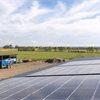
Media release | Federated Farmers says the National Party's commitment to make small-scale solar projects a permitted activity is exactly the commonsense farmers need.

What whale poo reveals about survival in warming seas
30 Jun 2026
Media release: University of Auckland | During his morning runs, Rod Keogh had no doubt that the whale poo he saw washed up on the beach had value. Science has finally caught up with him.

The Reality of Everything: A sold-out symposium at VUW
25 Jun 2026
Media release: Victoria University of Wellington | What do rising grocery bills, soaring insurance premiums, food producers under pressure, and growing international instability have in common? According to organisers of The Reality of Everything Symposium in Wellington, they are all part of a much bigger story – one that New Zealanders urgently want to understand.

New map highlights mining threat associated with controversial conservation reforms: Greenpeace
24 Jun 2026
Media release | Greenpeace has launched an interactive online map exposing the overlap between known deposits of minerals the Government has deemed "critical" and the public conservation land that would be easier to sell off and exploit under the Government's Conservation Amendment Bill.

Sustainability profession ‘comes of age’ – but pressure remains beneath the surface
24 Jun 2026
Media release: Sustainable Business Council | New research shows the sustainability profession in Aotearoa New Zealand has firmly established itself at the centre of business strategy – but ongoing pressures around capability, career pathways and pay are threatening to stall its progress.
