
The decarbonisation agenda is (re)writing itself
24 Mar 2026
By Pattrick Smellie
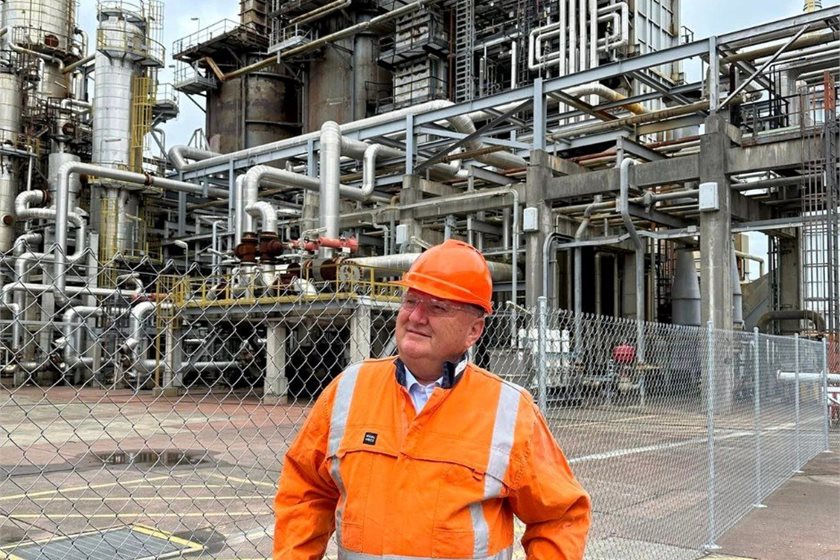
COMMENT: There’s one thing that a lot of greenies, as he would call them, get wrong about Resources Minister Shane Jones.print this story
Story copyright © Carbon News 2026

Lake Onslow pumped hydro consortium secures funding for consent push
Fri 26 Jun 2026
By Oli Lewis | The consortium behind Lake Onslow pumped hydro has secured funding to finalise its resource consent application, aiming to lodge it under the fast-track process before 2027.

Labour won't scrap RMA replacement laws: Hipkins
Fri 26 Jun 2026
By Shannon Morris-Williams | Labour Party leader Chris Hipkins says New Zealand needs to move beyond the "repeal and replace" approach to resource management, confirming the party would amend rather than scrap the Government's RMA reforms, if elected.

Commissioner ‘unconvinced’ LNG is the best dry-year solution
Fri 26 Jun 2026
By Liz Kivi | The Parliamentary Commissioner for the Environment has told the Energy Minister he is “unconvinced” the government’s proposed LNG import terminal is the best ‘dry year’ solution for the country, and criticised the Government’s “extremely limited” options analysis.

'Not enough': Pressure mounts to scrap conservation bill despite Potaka retreat
Fri 26 Jun 2026
By Shannon Morris-Williams | Conservation Minister Tama Potaka's walkback of a proposal to allow the sale of public conservation land has failed to quell opposition, with environmental groups and the Green Party saying the Conservation Amendment Bill should be scrapped entirely.

Media round-up
Fri 26 Jun 2026
In our round-up of climate coverage in local media: the UK Government is questioning whether New Zealand's oil and gas investment breaches its free trade deal; the Infrastructure Commission warns the government to slow down its LNG plans; and Shane Jones has a grim visitor outside the Environmental Defence Society's conference.

National promises low-cost solar loans for households
Thu 25 Jun 2026
By Oli Lewis | The National Party is promising a Home Energy Fund to accelerate the roll-out of household solar, batteries, insulation and other energy resilience measures if it is re-elected this year.

Energy resilience conference axed due to Ara Ake closure
Thu 25 Jun 2026
By Shannon Morris-Williams | A national conference focused on energy affordability, resilience and hardship has been cancelled because of the Government's decision to end Crown funding for energy innovation centre Ara Ake.

Government needs to 'sort out' flood damage exclusion from natural hazard insurance
Thu 25 Jun 2026
By Oli Lewis | Natural hazard insurance should be extended to cover household damage caused by flooding, a geotechnical and natural hazard specialist says.

Green Party pledges to protect public conservation land
Thu 25 Jun 2026
The Green Party is promising to scrap the Government's current conservation reforms and start again with a process focused on protecting conservation land and wildlife for future generations, if elected.

$75k up for grabs for climate resilience and inclusion projects
Thu 25 Jun 2026
Community organisations and charities working to strengthen climate resilience and social inclusion can apply for a share of $75,000 through the QBE Foundation's 2026 Local Grants.
