
'Profound' drop in oxygen in the world's lakes in past 20 years
24 Mar 2025

Media release | Globally, dissolved oxygen levels in lakes are dropping due to climate change and heatwaves, modeling suggests.
A modeling analysis indicates that both climatic warming and short-term heatwaves contributed to a profound decline in dissolved oxygen in more than 15,000 lakes worldwide from 2003 to 2023.
Yibo Zhang and colleagues found continuous deoxygenation in 83% of the 15,535 lakes they studied, and the average deoxygenation rate in these global lakes is faster than that observed in both oceans and rivers. Declining levels of dissolved oxygen can severely disrupt lake ecosystems, limiting habitat and productivity for certain species and impacting food security and coastal economies as a result. Deoxygenated lakes also have increased emissions of the greenhouse gas nitrous oxide, which can exacerbate climate warming.
While widespread declines in dissolved oxygen have been observed across water bodies in recent decades, the exact drivers behind this decline in lakes have been unclear. Zhang et al. created models using climatic data, geographic factors, and satellite images to reconstruct lake surface dissolved oxygen levels and quantify how long-term climate change and heatwaves affect these levels. They concluded that climatic warming contributes 55% of global lake deoxygenation, by reducing oxygen solubility.
Heatwaves lead to 7.7% additional deoxygenation compared with deoxygenation under average temperatures – and 85% of the lakes in the study experienced a gradual increase in the number of heatwave days per year during the study period. If these trends continue, the authors note, lakes such as Lake Victoria in East Africa could experience prolonged periods of deoxygenation that would severely affect fish growth and food production.
print this story

Southern Ocean might be best place to fertilise for carbon dioxide removal
Fri 31 Jul 2026
Media release: Springer Nature | The Southern Ocean and parts of the Pacific near the equator may be the best places to fertilise if we want to remove the most carbon dioxide from the atmosphere while minimising the impact on the environment, according to international research.

Greenpeace calls for citizens assembly to reform electoral finance laws
Thu 30 Jul 2026
Media release | Greenpeace is calling on all political parties to support a citizens assembly to reform electoral finance laws in light of the alarming flood of political donations threatening to drown democracy in New Zealand.
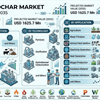
Biochar market predicted to reach US$1.6 billion by 2035
Thu 30 Jul 2026
Media release: Transparency Market Research | Strong growth in the global biochar market will be driven by sustainable agriculture and carbon sequestration initiatives.

Culture shapes the meaning of sustainability, NZ study finds
Mon 27 Jul 2026
Media release: Bioeconomy Science Institute | Cultural context changes what sustainability means to people, a new New Zealand study finds.

New funding round opens for Auckland zero waste projects – $500k available
24 Jul 2026
Media release | Auckland Council is inviting applications for the 2026 Waste Minimisation and Innovation Fund (WMIF) with $500,000 available to support projects that reduce waste and increase recycling and reuse to help achieve Auckland’s goal of zero waste by 2040.

Turning waste into climate-resilient soils for communities
24 Jul 2026
Media release: University of Canterbury | Christchurch’s Red Zone is being used as a test bed to see whether biological wastes (biowastes) can help transform contaminated soil into climate-resilient soil.

Dry-year reliability obligation should fall on generators, not major electricity users – MEUG
23 Jul 2026
Media release | The Major Electricity Users' Group (MEUG) is urging the Government to redesign its proposed dry-year reliability obligation so responsibility for securing New Zealand's electricity supply rests with generators rather than major electricity users.

Greenpeace launches legal challenge against US$2.5bn expansion by Premier Beehive parent company JBS
23 Jul 2026
Media release | Greenpeace Netherlands has petitioned a Dutch court seeking to compel the world’s largest meat company JBS, to disclose information, in order to challenge its business policies in court. This includes its planned US$ 6 billion global expansion, of which almost half is earmarked for Nigeria.

Select committee report on resource management guts environmental protections
22 Jul 2026
Media release | Forest & Bird says the Environment Committee report on the biggest overhaul of resource management law in Aotearoa New Zealand in a generation is bad news for nature.
Open Letter: Exercise restraint on LNG import facility decision ahead of the election
21 Jul 2026
The Smart Energy Alliance respectfully urges the Government not to enter into a binding commercial agreement for a liquefied natural gas (LNG) import facility in the period immediately preceding the General Election.
