
Offshore renewable energy bill passes, opening path for developers
Today 11:45am
By Oli Lewis
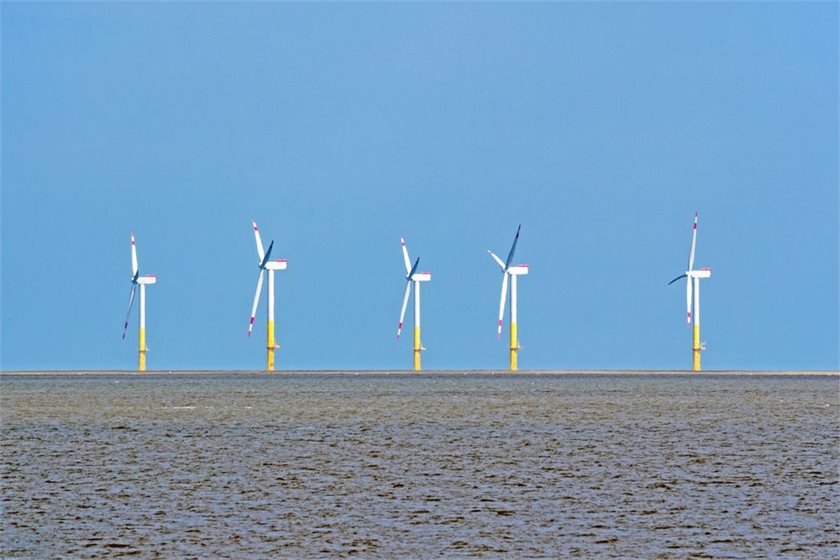
Feasibility permits for offshore wind developments could be issued within months after the Government passed a long-awaited law to establish a regulatory regime.
Story copyright © Carbon News 2026

A tale of two electricity systems as NZ and Australia roll out new cost-saving measures
Wed 1 Jul 2026
By Oli Lewis | New rules requiring electricity retailers to offer time-of-use pricing plans, where consumers can access lower-cost electricity at off-peak times, have come into effect.

Savings gap doubles: all-electric households stand to save $3000 a year, report finds
Mon 29 Jun 2026
By Oli Lewis | The economic incentive for households to electrify has become more compelling, although overcoming upfront installation costs remains a barrier.

Lake Onslow pumped hydro consortium secures funding for consent push
Fri 26 Jun 2026
By Oli Lewis | The consortium behind Lake Onslow pumped hydro has secured funding to finalise its resource consent application, aiming to lodge it under the fast-track process before 2027.

National promises low-cost solar loans for households
25 Jun 2026
By Oli Lewis | The National Party is promising a Home Energy Fund to accelerate the roll-out of household solar, batteries, insulation and other energy resilience measures if it is re-elected this year.

Energy resilience conference axed due to Ara Ake closure
25 Jun 2026
By Shannon Morris-Williams | A national conference focused on energy affordability, resilience and hardship has been cancelled because of the Government's decision to end Crown funding for energy innovation centre Ara Ake.

'Stored solar': Bioenergy Association touts cost benefits of biomass boilers over gas
24 Jun 2026
By Oli Lewis | Businesses across New Zealand are warming to bioenergy, but advocates believe woody biomass could play a far greater role as a replacement for more expensive natural gas and electric heat options.

Gas transition loan scheme nears launch as savings modelled
23 Jun 2026
By Oli Lewis | Commercial gas users could potentially save thousands of dollars a year by using Crown-backed loans to fund fuel-switching and energy efficiency projects, new modelling indicates.

EECA head steps down
22 Jun 2026
By Shannon Morris-Williams | Chief executive Marcos Pelenur will step down after three years at the Energy Efficiency and Conservation Authority, leaving the organisation looking for a new CEO as it becomes the sole remaining government agency offering support for businesses looking to transition away from fossil fuels.

Canadian firm seeks Crown co-investment for Genesis-supported gas storage project
19 Jun 2026
By Oli Lewis | A proposed gas storage project supported by Genesis Energy has sought Crown co-investment through the $200 million Gas Security Fund.
