
Balance needed in Waste Minimisation Act – Zero Waste Network
23 Apr 2025
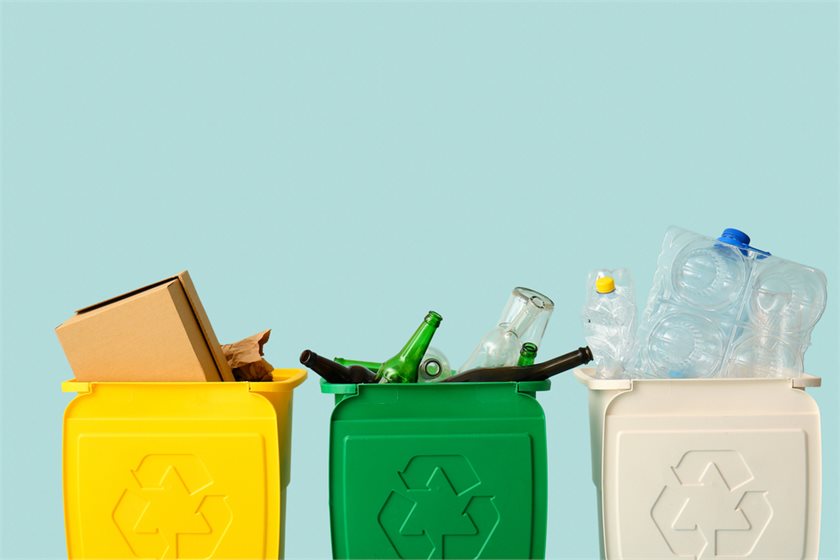
Media release | The Government announced its proposals for updating the Waste Minimisation Act and the Litter Act.
The proposals would combine these two Acts into one, extend producer responsibility and permit local government to use its share of the waste disposal levy on a wider range of activities unrelated to waste.
“The Zero Waste Network Aotearoa has been advocating for the Waste Minimisation Act to be updated for many years. Most of the proposals outlined in the consultation documents are positive steps forward for our sector. We need these basic blocks in place so we can build more effective reuse and recycling systems.” says Zero Waste Network spokesperson Sue Coutts.
“However some careful thinking needs to be done to find the right balance on the range of activities councils can spend their waste levy fund allocation on.”
“We are especially pleased to see the focus on extending producer responsibility. The proposals will put a better framework in place for developing schemes to collect up products, like e-waste and textiles, and packaging, like drink bottles, cans and cartons so they can be reused and recycled,” says Coutts.
“Making producers responsible for covering the real costs to collect, sort and transport the products and packaging they put into the market will take the burden off ratepayers and councils. A better producer responsibility framework is the first step towards setting up effective and easy to use systems like a Container Deposit Return Scheme that would collect 85%+ of our empty drink bottles, cans and cartons and radically reduce litter.
“The Waste Levy is a critical tool which uses a charge on each tonne of rubbish to create a pool of capital to invest in building waste prevention and reduction infrastructure. This strategy only works if the pool of capital is ring fenced for waste minimisation and closely related activities. Otherwise, it will fail to address the very problem it exists to solve," says Coutts.
“Expanding the range of activities that councils can spend their allocation on to cover anything that could have an environmental benefit or reduce environmental harm sets the scope too wide. Diluting this fund creates a mismatch between the very high public expectations around waste minimisation and the actual capability of councils to deliver.
“It does make a lot of sense to remove the waste levy exclusion for waste-to-energy. Closing this loophole means landfill and waste-to-energy disposal options would both face the same cost structure which is a fairer way to approach it,” says Coutts.
“We encourage everyone who wants to prevent waste, litter and pollution and increase reuse, repair and recycling to have their say before this consultation closes on 1 June. Then the challenge for us all will be getting the best version of the updates through the house so we can get on with the practical work of putting real solutions to our waste problems in place.”
print this story
Combined climate extremes may prompt carbon budget rethink
Today 11:45am
Media release: Springer Nature | Combined extreme climate events are likely to become more common in the future if carbon emissions continue to rise, a paper in Nature suggests.

Government biodiversity credit scheme welcomed as opportunity for restoration
Tue 12 May 2026
Media release | Forest & Bird says today’s Government announcement supporting the development of voluntary biodiversity credit schemes has potential to bring about much needed investment into nature restoration.

Stripy wind turbines could save some birds
Fri 8 May 2026
Media release: Royal Society Interface | Preventing birds from colliding with wind turbine blades could be as simple as a few paint stripes, according to international researchers, who say this could help protect wildlife as renewable energy expands.

More red lights for cars might mean more green lights for sustainable transport
7 May 2026
Media release: Royal Society Open Science | Reducing the amount of green light time for cars at traffic lights could encourage commuters to switch to more sustainable transport.

Stormwater conference to tackle growing flood risks and climate challenges
6 May 2026
Media release: Water New Zealand | More than 600 stormwater professionals will gather at the Water New Zealand Stormwater Conference and Expo to address one of our most pressing infrastructure challenges – how to manage stormwater in an era of more frequent and intense rainfall.

EDS urges MPs to scrap the Fisheries Amendment Bill
5 May 2026
Media release | The Environmental Defence Society today lodged a substantive submission on the Fisheries Amendment Bill.

Christchurch youth to lead local climate action through global fund
5 May 2026
Media release: Christchurch City Council | Christchurch has been announced as one of 300 cities selected to take part in the Bloomberg Philanthropies Youth Climate Action Fund, a global initiative empowering young people to design and deliver practical climate solutions in their own communities.

Community feedback sought on plan to reduce emissions in the Kāpiti Coast
4 May 2026
Media release | Kāpiti Coast District Council is seeking feedback on its draft Emissions Reduction Plan that aims to cut the district’s greenhouse gas emissions as part of Council’s goal of a ‘net zero’ emissions by 2040.

Health-framed messages are twice as effective at shifting people's attitudes and policy support on climate change
4 May 2026
Media release: Global Climate and Health Alliance | Major study in Brazil, India, Japan and South Africa finds that evidence of climate risks to health increases public support for climate action twice as often as other climate-related messages.

The one-million whale climate solution: 6000-mile voyage launches to audit ocean carbon sinks
28 Apr 2026
Media release: Pacific Whale Fund | An unprecedented, multi-year ocean expedition launches this week to lay the scientific and legal groundwork for recognising the recovery of whale populations as a vital climate solution across the Pacific.
