
Seven ‘new approaches’ to avoid our Paris commitments: Carr
Today 12:00pm
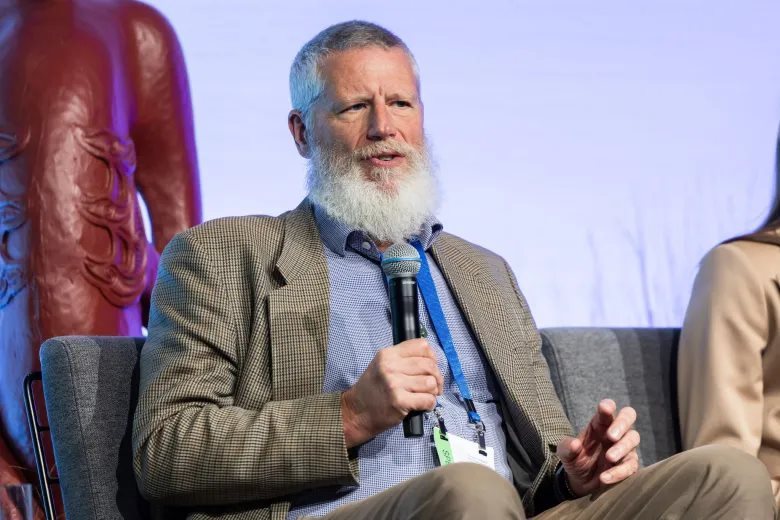
Praying for “new approaches” to materialise to meet our international climate obligations isn’t a strategy, writes Rod Carr.
COMMENT: To be clear, I am not recommending any of these approaches to avoiding our commitments under the Paris Agreement – commitments to hold our net emissions at the level we voluntarily agreed to.
... login or subscribe for full story
Story copyright © Carbon News 2026

LNG isn’t the best 'dry year' solution – new report
Today 12:00pm
By Liz Kivi | The Government’s proposed LNG import terminal isn’t the best solution for ‘dry year’ electricity security, according to a new report.

Renewables alone won’t fix ‘broken’ electricity prices
Today 12:00pm
COMMENT: While many people agree the electricity market is broken, simply adding more renewables to a broken system isn’t the fix we need, writes Geoff Bertram.

Changes to emissions factors prompt caution over climate claims
Today 12:00pm
By Shannon Morris-Williams | Organisations may need to revisit how they calculate and communicate their greenhouse gas emissions after the Ministry for the Environment released an updated version of its Measuring Emissions Guide, incorporating new emissions factors based on New Zealand's latest greenhouse gas inventory.

Marae-based climate projects announced while future funding cut
Today 12:00pm
The Government has announced two more marae-based projects will benefit from the Māori Climate Platform, while quietly cutting funding for the initiative in last week’s budget.
World-first trial turns NZ pine into bitumen alternative
Today 12:00pm
New Zealand researchers have successfully developed a road surfacing binder made entirely from pine trees, a world-first breakthrough that could reduce the country's reliance on imported petroleum-based bitumen.

Carbon removal plans falling billions of tonnes short, experts warn
Wed 3 Jun 2026
By Shannon Morris-Williams | New Zealand needs to look beyond forestry and rapidly expand other forms of carbon removal to help meet global climate goals, according to a major international report.
Govt redirects energy innovation funding to solar on schools
Wed 3 Jun 2026
By Liz Kivi | Schools will save money, have greater energy security, and reduce carbon emissions through a $30 million Government initiative to put solar panels on up to 500 schools across New Zealand, say Energy Minister Simeon Brown and Education Minister Erica Stanford.

Budget shifts from transition funding to transition management
Wed 3 Jun 2026
Budget 2026 landed in an energy system increasingly being managed through targeted intervention, tighter regulation and institutional change rather than broad new spending.

Deep South marine reserves boost protection by nearly 50%
Wed 3 Jun 2026
Five new marine reserves protecting more than 300 square kilometres of ocean habitat along the Otago and south Canterbury coast will come into force next month, marking one of the largest expansions of mainland New Zealand's marine reserve network in decades.
