
Wetland protections failing to stop losses
Today 12:00pm
By Shannon Morris-Williams
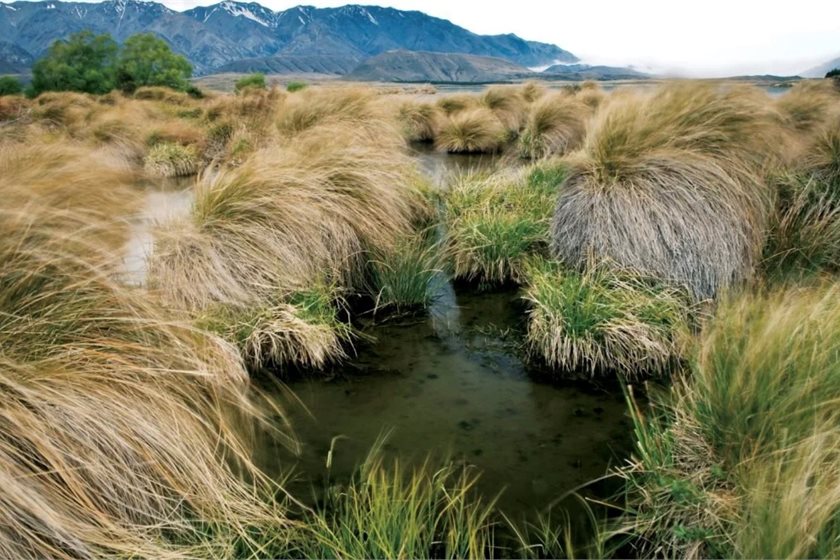
New mapping commissioned by the Environmental Law Initiative shows wetlands across New Zealand are still being converted to pasture, forestry and mining despite stronger national protections introduced in 2020, with researchers warning enforcement gaps may be undermining the rules.
Story copyright © Carbon News 2026

‘Shameful’ move to scrap Ministry for the Environment passes
Today 12:00pm
By Shannon Morris-Williams | The curtain has fallen on the Ministry for the Environment after legislation paving the way for its merger into a new mega ministry passed its third reading in Parliament yesterday, with the opposition condemning the move as a major weakening of environmental protection and nature’s voice within government.

Climate health response falling short – report
Today 12:00pm
By Shannon Morris-Williams | New Zealand’s latest National Climate Change Risk Assessment has exposed major gaps in the country’s response to climate-related health risks, with researchers warning current policies are underfunded, poorly coordinated, and failing to adequately protect vulnerable communities.

Huntly biomass option no cheap fix, Genesis tells MPs
Today 12:00pm
Genesis Energy says biomass can be burned in Huntly's Rankine units, but current costs put it in roughly the same price range as imported LNG and extra Rankine capacity would be expensive and could take years.

Officials told Govt not to stop climate court case
Wed 27 May 2026
By Liz Kivi | Government officials advised ministers not to intervene in a groundbreaking climate court case, according to newly released documents.

ETS auction failures created $1.4b fiscal hole – Greens
Wed 27 May 2026
By Shannon Morris-Williams | Finance Minister Nicola Willis has hit back at the Green Party's claim that the repeated failure of New Zealand’s carbon auctions has added a $1.4 billion 'fiscal hole', with Green Party co-leader Chlöe Swarbrick blaming the Government for undermining the ETS.

LNG vital to prevent economic damage as gas leaves NZ economy
Wed 27 May 2026
By Pattrick Smellie | Importing natural gas will make the difference between an “orderly” or “chaotic and unnecessarily costly" decline as domestically produced gas runs out, the chief executive of the Gas Industry Company, David Prentice, said yesterday.

Geo-heat search explores exhausted oil and gas fields
Wed 27 May 2026
By Pattrick Smellie | Underground heat from exhausted oil and gas fields are a new target for government-backed efforts to tap geothermal resources for electricity production and industrial use.

Govt’s LNG plan puts trade deals at risk, lawyers warn
Tue 26 May 2026
By Liz Kivi | Lawyers for Climate Action are warning that the government’s plans for an LNG import terminal and to subsidise gas fields are in breach of New Zealand’s free trade agreements with the UK and the EU.

Thumbs up for Govt help for businesses transitioning from gas
Tue 26 May 2026
By Liz Kivi | Businesses and climate advocates alike have welcomed the Government’s pre-budget announcement that it will help secure cheap lending for businesses transitioning from gas, as New Zealand’s domestic supply dwindles.
